Project 4 · VIRGIO · Econic Fair ’25Helping Shoppers Navigate
a Cost-to-Make Sale
from Discovery to Purchase
I co-designed the shopping experience with the VIRGIO team, helping shoppers move from an early price preview to sale-day purchase.
Overview
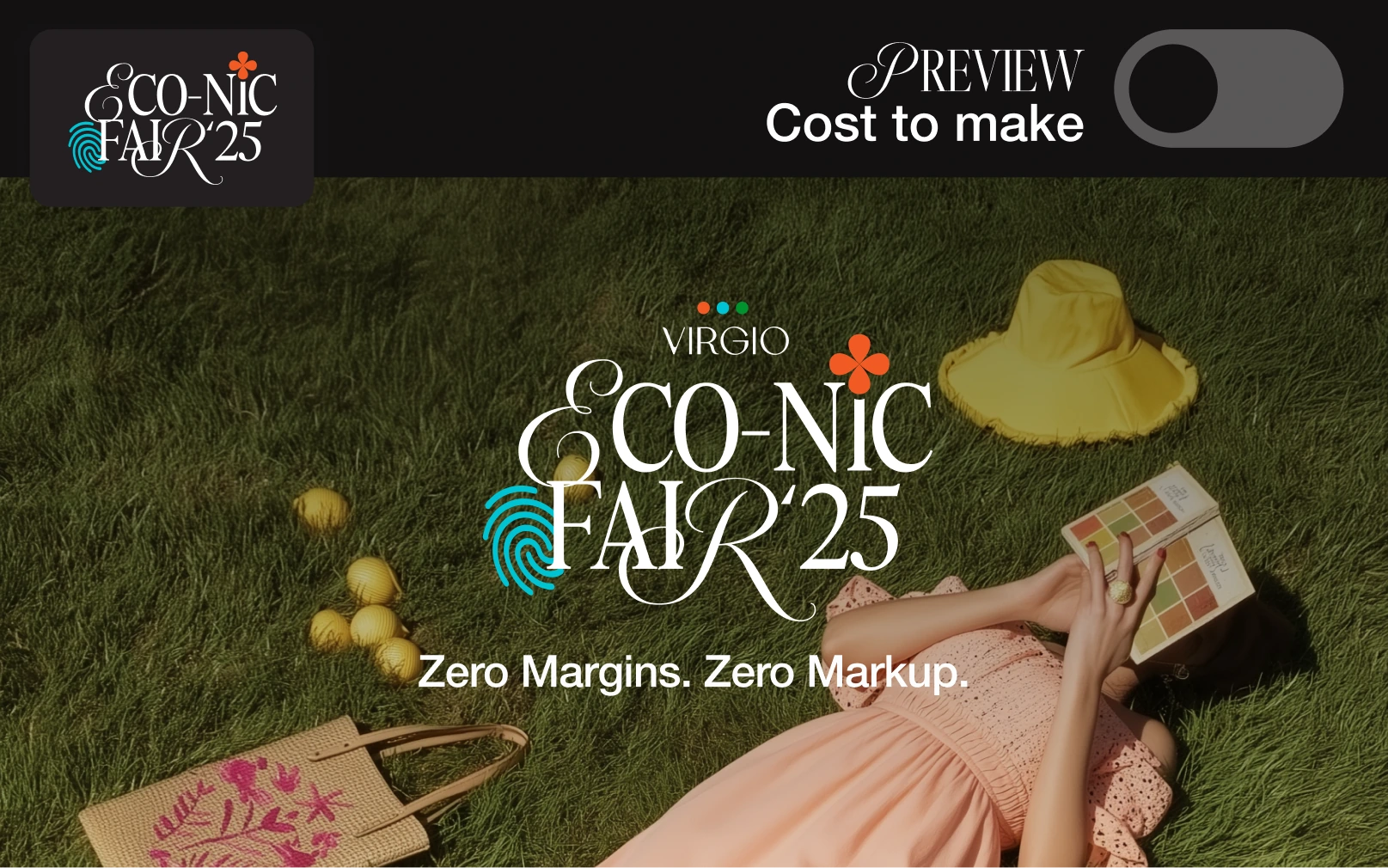
For VIRGIO’s second anniversary, we built an “anti-sale”: garments sold at their cost to make for three days. Over 3–4 weeks, I co-designed the shopping experience with the VIRGIO team, with particular focus on introducing the newly launched Amodira brand in the cart.
How might we help shoppers preview fair prices and prepare their bags while making it clear when those prices become available?
The challenge: build anticipation without selling too soon
Showing a lower price early could make it look available immediately. We mapped three phases to keep the message, price and next action aligned: discover the fair, preview prices and prepare a bag, then purchase when it opened.
Make fair prices recognisable
The anniversary identity had a practical job: help shoppers recognise the offer wherever they encountered it. Green and outlined badges identified fair prices, while countdowns kept the opening time beside “Zero margins. Zero markup.” Expressive typography and playful shapes carried the celebration.
Separate previewing from purchasing
One switch across listings, product pages and the bag let shoppers compare today’s prices with upcoming fair prices. A countdown and “End preview” action made it explicit that preview prices were not yet purchasable. On sale day, the switch disappeared and checkout became available at fair prices.
Preview Eco-nic prices
Flip the switch to see cost-to-make prices before the fair begins.


- Cost to makeFabric, trims, stitching, taxes
- ₹690
- Serving costPacking, logistics, gateway charges
- ₹700
- OthersProfits, marketing, rent
- ₹400
See the cost to make
The fair price covers making costs. Serving cost and other costs are taken out.
Build your bag early
Preview your bag’s total now. Shop at these prices when the fair opens.
- NikiGarment₹1,790
 AstridGarment₹2,100
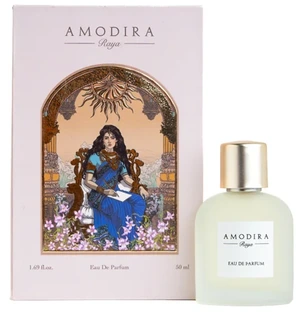 RayaPerfume · 50 ml₹600
Explain why the price is lower
A lower number alone could not explain “cost to make.” The product-page breakdown highlighted fabric, trims, stitching and taxes, while subduing or crossing out removed costs. Keeping the start date beside the price connected what shoppers would pay with why it was lower and when it became available. Explore Fair Pricing ↗
Introduce Amodira while shoppers build their bags
Amodira was a recent launch with no cart placement. I focused on introducing its fragrances through product and floral imagery, framed as the “Best deal of the sale.” The widget led into a variant sheet, where shoppers could compare formats and prices before adding one to their bag. More work for Amodira ↗
How the fair performed
- Campaign revenue
- 50×one usual day’s revenue, earned across three sale days
- Amodira orders
- 7×the usual order baseline during the fair
- e4m RetailEX Awards 2026
- Best Brand Campaign of the Year
Campaign results from the wider VIRGIO team effort.
What I learned
Connecting preview and purchase taught me to design price, timing and actions together. The countdown and “End preview” action made that relationship explicit. For future campaigns, I’d map those transitions first and test whether shoppers understand when each price becomes available.